Hey readers! 👋
As I continue exploring the world of web development, I often come across questions like:
“What’s the difference between HTML and XML?”
Aren’t they both markup languages? Don’t they both use tags?
Yes — but they’re very different in their purpose, rules, and how we use them. Let’s break it down in a way that’s super easy to understand.
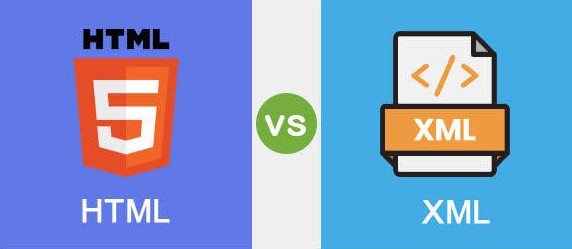
🖥️ What is HTML?
HTML stands for HyperText Markup Language.
It’s used to display content on web pages — things like:
- Text
- Headings
- Images
- Buttons
- Videos
Basically, HTML is what you see on websites.
Think of HTML as the front-end display artist of the web.
💾 What is XML?
XML stands for eXtensible Markup Language.
It’s not for displaying content — it’s for storing and transporting data.
You’ll find XML used in:
- Web services
- Configuration files
- Data exchange between systems (like apps or APIs)
- RSS feeds
Think of XML as the data organizer behind the scenes.
📊 Key Differences Between HTML and XML
Here’s a simple comparison to make it easier to remember:
| Feature | HTML | XML |
|---|---|---|
| Purpose | Displays content on web pages | Stores and transports data |
| Tags | Predefined (like <p>, <img>) | Custom tags (like <name>, <id>) |
| Syntax | Flexible; forgiving with errors | Strict; every tag must be closed |
| Case Sensitive | No (<Title> = <title>) | Yes (<Name> ≠ <name>) |
| Use Case | Webpages, blogs, front-end UI | Back-end, data exchange, APIs |
| Display Content? | Yes | No |
| Extensibility | Not extensible | Highly extensible |
✨ Quick Tip for Beginners
- Use HTML when you want to show content on a webpage.
- Use XML when you want to store, organize, or share data between systems.
Even though they look similar with angle brackets and tags, they serve completely different roles in the world of tech. Knowing the difference is a small thing — but it’s a powerful step in your web dev journey! 💪
Until next time,
Keep learning one line at a time!
 CodeWithKriti
Leave a comment