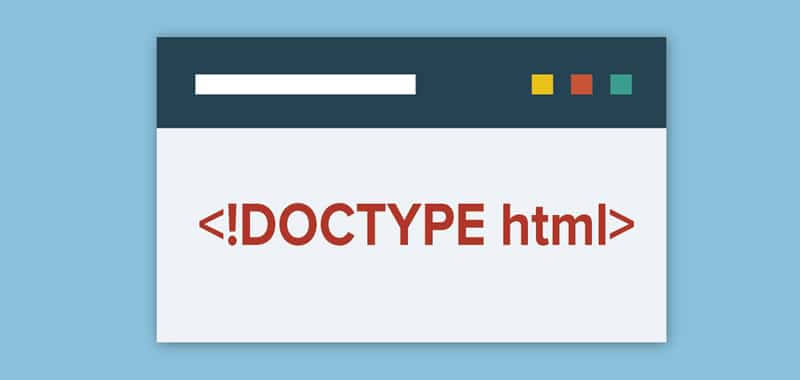
If you’re learning HTML, you’ve probably typed this line at the top of your code without giving it much thought:
<!DOCTYPE html>
But here’s the truth:
This tiny line is a big deal when it comes to web design.
✅ What Does It Do?
<!DOCTYPE html> tells the browser,
“This page follows modern HTML5 rules — display it the way it’s meant to be seen.”
It sets your site in standards mode, which ensures consistent rendering across all modern browsers.
🔍 Why It Matters in Web Design:
- Design integrity: Without this line, browsers might switch to “quirks mode,” where your layout and styling can break unexpectedly.
- Cross-browser consistency: Good web design isn’t just about how it looks on your screen — it’s about how it looks everywhere.
- Better performance: Knowing the HTML version helps browsers load and style your content faster.
🧪 Example: Quirks Mode vs. Standards Mode
Imagine a page using this CSS:
.box {
  width: 500px;
  padding: 50px;
}
In standards mode: The total width = 600px (box model rule).
In quirks mode: The total width = 500px (padding ignored from total width).
This difference can break your layout if you’re not careful — especially if you’re using floats or complex grids.
🧱 The Syntax
It’s just this:
<!DOCTYPE html>
No closing tag. No attributes. One line — that’s it.
💡 Final Thought
It might feel small, but <!DOCTYPE html> is your first step toward clean, stable, and professional web design. It’s a quiet reminder that good code starts with clear communication — even with the browser.
🤔 Over to You!
Have you ever run into layout bugs or strange rendering in a browser? Did forgetting <!DOCTYPE html> play a role?
Share your quirkiest coding moment below!
 CodeWithKriti
Leave a comment