Over the past 25 years, the United States and India have built a robust and strategic partnership. From the historic civil nuclear deal to joint military exercises, technology collaborations, and people-to-people ties, the relationship has withstood short-term disagreements while maintaining a long-term commitment to shared democratic values and mutual growth.
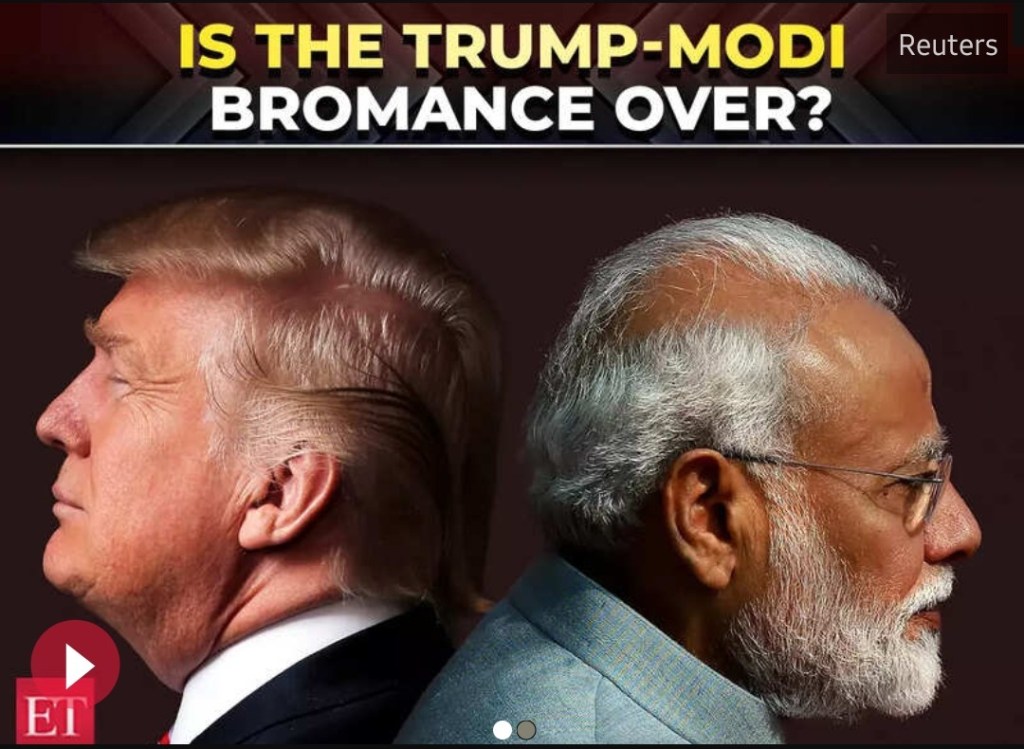
However, recent developments have raised concerns. Under former President Donald Trump’s leadership, the US adopted a more transactional approach to foreign policy—placing tariffs on key Indian exports and applying pressure on trade terms. While both nations pursue nationalist economic policies—America First and Make in India—this confrontational stance risks undermining the very foundation of their strategic partnership.
The impact is already visible. H1B visa seekers, Indian students, farmers, MSMEs, and export businesses are facing challenges due to stricter policies and reduced cooperation. This shift also highlights an important truth: personal rapport between leaders, like that between Modi and Trump, may be helpful in diplomacy, but it is not enough. Strong institutions, long-term agreements, and shared values are far more reliable in fostering trust, peace, and mutual prosperity.
While it remains to be seen how these tensions evolve, it’s clear that citizens in both countries have a stake in this relationship. As global politics becomes more interconnected, so do the effects of foreign policy decisions on our everyday lives.
Let’s stay informed about global politics—because what happens at the top often shapes our world below.
 CodeWithKriti
Leave a comment