
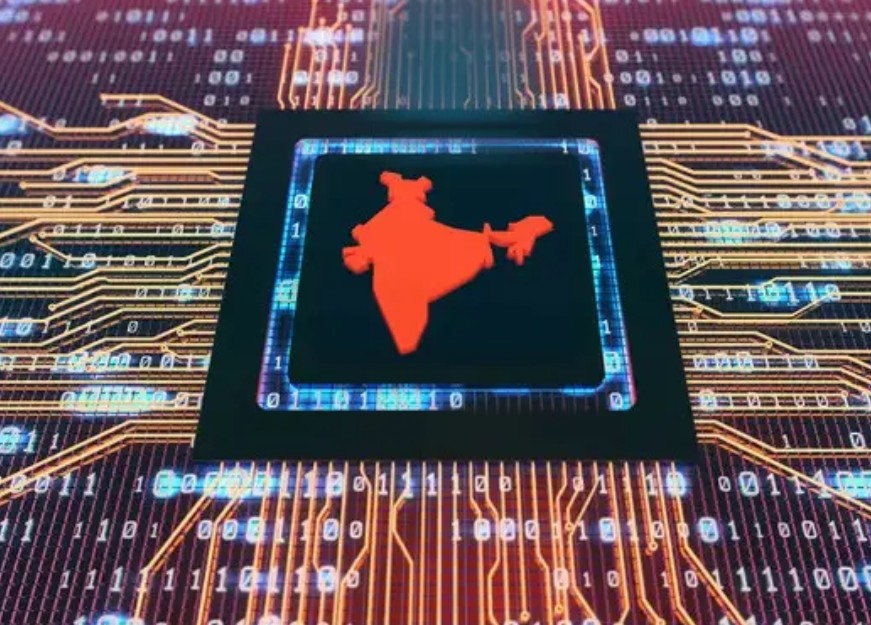
As the world steps deeper into the 4th Industrial Revolution, India is making a bold move to secure its place on the global technology map. Instead of simply observing from the sidelines, India is taking charge by building its first indigenously made chip, a development expected by the end of 2025.
This milestone is not just about technology—it reflects self-reliance and strategic autonomy. For decades, India has relied on imports from countries like Taiwan, South Korea, and the US for semiconductor needs. Now, by entering chip manufacturing, India is taking a major step toward reducing this dependence and strengthening its sovereignty in critical technologies.
The move carries massive economic significance. India aims to be the global hub of technologies, and chip-making is at the heart of this vision. With chips powering everything from smartphones to AI, self-reliance in this sector will fuel industries, empower startups, and reduce vulnerabilities in global supply chains.
But the impact isn’t only economic. The development of indigenous chips is set to bring social and strategic benefits too—creating jobs, driving skill development, and enhancing national security. It marks a future where India isn’t just a consumer of technology but a creator and innovator.
Globally, this effort will elevate India’s reputation as a tech leader. Entering the semiconductor race positions India as a serious competitor in the 4IR landscape, capable of shaping the next wave of technological innovation.
In the bigger picture, India’s first indigenous chip is more than just a piece of silicon—it represents the nation’s commitment to shaping its technology sovereignty and economic power in the years ahead.
 CodeWithKriti
Leave a comment