
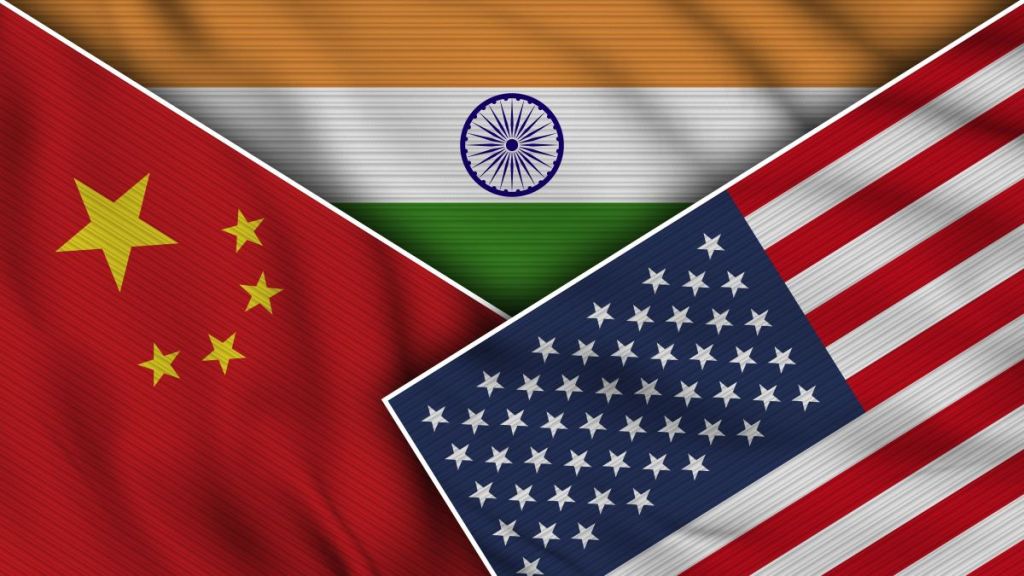
When Donald Trump’s “America First” agenda took center stage, it wasn’t just about putting American workers first—it also meant putting other economies under pressure. What surprised many was how his trade approach treated India and China differently. While China, often seen as America’s biggest competitor, faced a relatively softer stance at times, India got caught in the crossfire of harsh tariffs.
Trump’s administration imposed a 50% tariff on Indian exports, hitting sectors like textiles, seafood, gems and jewellery, and leather goods. These aren’t just numbers on a trade sheet—they represent industries where millions of Indians earn their livelihood. From fishermen on the coasts to artisans polishing gems in small workshops, the tariffs shook lives across the country.
Economists warned that such policies could shave 0.5% off India’s GDP and cost millions of jobs. But beyond the statistics, the reality was clear—workers, small exporters, and families relying on these industries felt the pinch directly. For many, exports to the US were not just business—they were survival.
This episode showed us something important: relying too heavily on a single market is risky. When one policy shift in Washington can affect millions of livelihoods in India, it’s a wake-up call. The answer lies in self-reliance and diversification. India needs to strengthen its own domestic markets and explore new global partnerships to ensure its industries and workers aren’t left vulnerable to sudden trade wars.
In the end, Trump’s tariffs may have been about America First—but for India, they were a reminder that the road to resilience lies in standing strong on its own terms.
 CodeWithKriti
Leave a comment