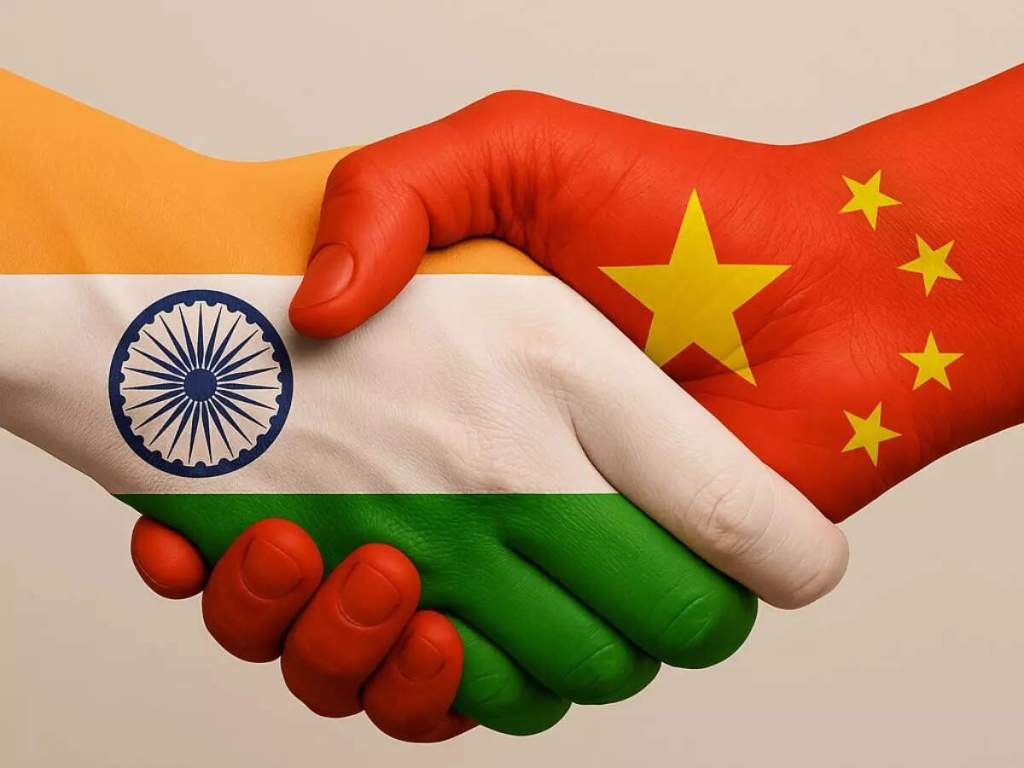
In the world of geopolitics, even the quietest moves often carry the loudest messages. Recent reports of Chinese President Xi Jinping secretly reaching out to New Delhi reveal more than just diplomatic courtesies—they hint at shifting power equations shaped by US pressure, trade dependencies, and India’s rising influence.
For China, this discreet approach comes at a critical moment. Facing mounting tariffs, technology restrictions, and a tightening US-led alliance structure, Beijing is looking to soften edges elsewhere. By engaging India behind closed doors, Xi seems to be signaling that China wants to reduce hostilities with its giant neighbor while also creating some breathing space against Washington’s growing assertiveness.
On the Indian side, the letter isn’t being viewed with suspicion alone—it’s being weighed as an opportunity. India understands the potential of such an outreach: it could mean reduced border tensions, improved trade flows, and a stronger hand in global diplomacy. Instead of seeing it as a risk to its partnership with the US, New Delhi may see it as leverage—proof that both great powers are keen on wooing India in an era where it is no longer a silent spectator.
The bigger picture is clear: India is steadily carving out a new identity as a rising tech and trade hub. With its digital economy expanding rapidly and its role in global supply chains growing, India’s response to overtures like these will define how it balances friendships and rivalries in the years ahead.
Xi’s secret letter, therefore, is not just about mending ties—it’s about acknowledging India’s central role in shaping the economic and political landscape of the 21st century.
 CodeWithKriti
Leave a comment