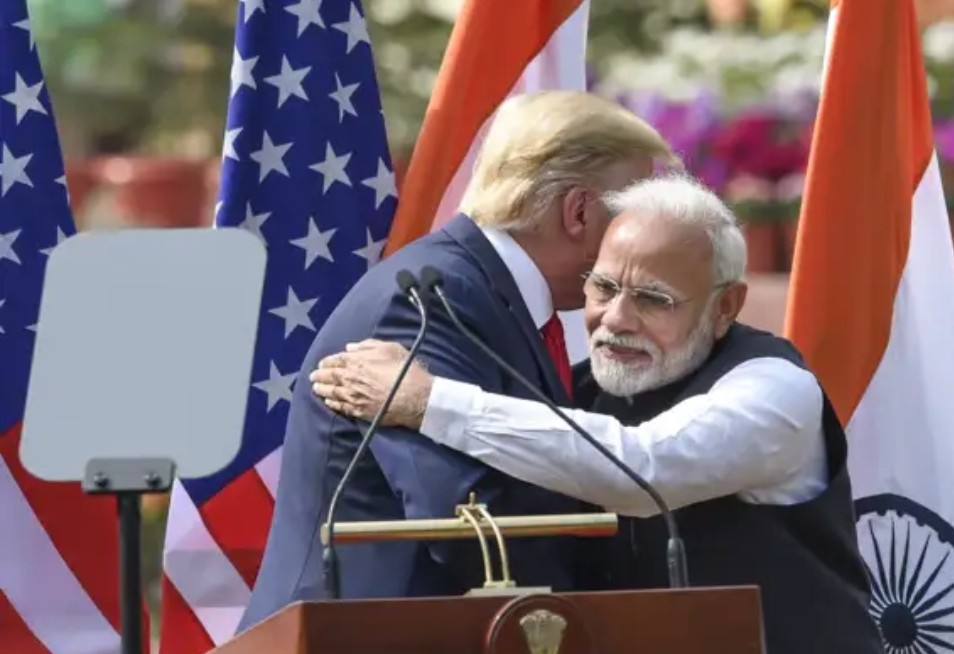
In global diplomacy, unpredictability often defines the narrative — and few leaders embody this more than Donald Trump. His recent proposal of a “peace pipeline” is not just about infrastructure or economics; it is a diplomatic initiative wrapped in symbolism. Like many of Trump’s past moves, it sparks intrigue, speculation, and uncertainty.
Prime Minister Narendra Modi’s response was strategic and carefully measured. Rather than reacting with enthusiasm or resistance, his approach leaned toward pragmatism — acknowledging the initiative without taking a firm stand. This non-antagonistic stance signals India’s intent to keep its options open in a fluid geopolitical environment.
What remains unclear is who truly stands to gain if the peace pipeline materializes. Could it be the U.S. strengthening its influence, India securing a strategic edge, or the broader region witnessing reduced tensions? For now, the answer remains uncertain. The thaw may be melting, but as history shows, geopolitics rarely follows a predictable script.
Given this unpredictability, India’s best move is to wait for clearer signals before committing to any course of action. Engaging too quickly may lock the country into unforeseen consequences, while patience allows space to observe how the initiative unfolds.
Ultimately, the bigger lesson here is that symbolic moves — however unexpected or unpredictable — have the power to reshape global politics. Whether Trump’s peace pipeline becomes a reality or remains an idea, it has already sparked dialogue, reflection, and debate across the world stage.
 CodeWithKriti
Leave a comment