
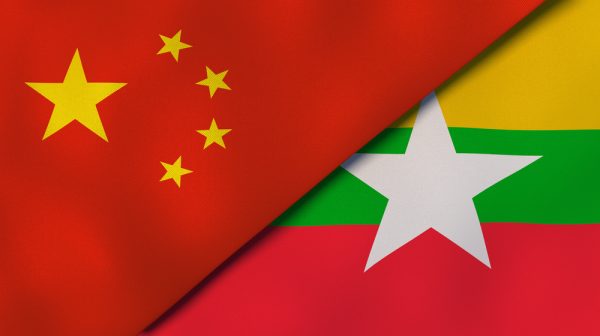
Rare earth elements are essential for many modern technologies, from smartphones to electric cars and military equipment. But did you know that China controls most of the global rare earth supply? Recent reports reveal a hidden factor behind China’s dominance: secret deals with Myanmar’s militant groups. In this blog, we’ll explain how this works, why it matters, and the consequences it has on the environment and local people.
Rare earth elements are critical components in high-tech industries, renewable energy, and defense technology. China’s strong position in this market gives it economic control over other countries that depend on these materials. By securing a large share of rare earth production, China not only earns huge profits but also strengthens its influence in global markets and international politics.
Myanmar’s Kachin state is rich in rare earth minerals. After the military coup in Myanmar in 2021, the number of rare earth mining sites increased rapidly. The region is unstable, and several militant groups control large parts of it. These groups run illegal mining operations without government oversight.
Chinese companies make secret deals with these militant groups to buy the minerals directly. The groups extract rare earth elements using basic and often harmful methods, ignoring environmental laws. This unregulated process allows China to import significant quantities of rare earths at low cost, helping maintain its lead in the global market.
While this trade benefits China economically, it comes at a high cost.
🌱 Environmental Damage:
The mining methods used in these areas are harmful to nature. They involve clearing forests, digging large open pits, and using toxic chemicals to extract minerals. This destroys local ecosystems, causes soil erosion, and pollutes nearby rivers, making the land unusable for farming and the water unsafe for people and animals.
🏘️ Impact on Local Communities:
Local people living near mining areas suffer greatly. They face health problems due to polluted air and water. Their traditional ways of living, such as farming and fishing, become impossible. Additionally, the presence of militant groups creates fear and instability, as the community is trapped in conflict and exploitation.
In my opinion, the situation is not just a political or economic issue but a deep humanitarian and environmental concern. It is unfair that local people suffer while powerful nations profit. Governments and global organizations must work together to stop illegal mining and ensure companies practice responsible sourcing. Consumers, too, should be aware of where the materials in their gadgets come from. Without accountability, this hidden trade will continue to harm people and the planet in silence.
 CodeWithKriti
Leave a comment